

January’s Learning Toolkit

Welcome January! This month’s collection has been designed to help families ease back into learning after the Christmas break, offering a balance of gentle structure, purposeful activities and wellbeing-focused routines to support a positive start to the new year. January can feel quieter and a little slower, so this toolkit keeps things simple, manageable and meaningful while still supporting key areas of learning across the Northern Ireland Curriculum.
Each activity has been created with flexibility in mind. You can adapt tasks to suit your child’s age, ability and interests, and many can be completed over several days. The focus this month is on re-establishing routines, building confidence, inclusive learning, literacy and creativity, cultural exploration and age-appropriate themes around fairness, respect and remembrance. Use the toolkit in order or dip in and out as it suits your family, and remember that consistency matters more than intensity at this time of year.
1. New Year’s Day
Date: Thursday 1 January 2026
What it means:
New Year’s Day marks the beginning of a new year and is a natural moment for reflection, fresh routines and setting simple goals.
Activity for kids:
“My 2026 Goals Star”
Materials: paper, pencil, colouring pencils/markers, scissors (optional).
Steps:
- Draw a large star (or print one) and write “My 2026 Goals” in the centre.
- On each point, children write or draw one goal (keep it realistic and positive, e.g., “read more”, “practise times tables”, “try a new hobby”, “be kinder to myself”).
- Choose one goal and break it into 3 small steps on the back (e.g., “Read 10 minutes a day”).
- Decorate and display somewhere visible.
- Revisit the star weekly and celebrate progress.
Tip for home educators:
Keep goals small and achievable. One or two consistent habits will do more than a long list that becomes stressful.

2. World Braille Day
Date: Sunday 4 January 2026
What it means:
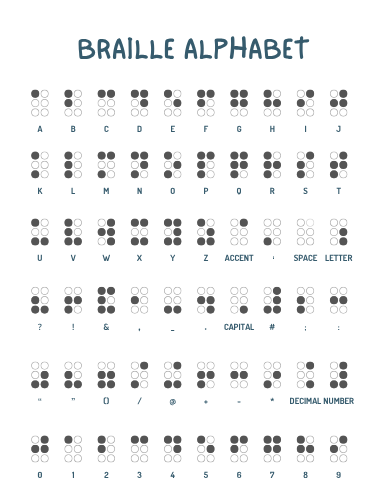
World Braille Day recognises the importance of braille as a key tool for literacy, independence and inclusion for blind and partially sighted people.
Activity for kids:
“Secret Braille Messages”
Materials: paper, pencil, cotton buds or a blunt pencil end, glue (optional), rice/lentils (optional).
Steps:
- Show your child that braille uses raised dots to represent letters.
- Write a short message in normal writing (e.g., “You are brilliant”).
- Create a “dot code” message by making raised dots in lines (use glue dots, or press dots firmly using a blunt pencil end).
- Let the child design their own “secret message” card using raised dots.
- Extension: discuss why accessible formats matter and how we can make learning more inclusive.
Tip for home educators:
Link this to empathy and inclusion. It is a brilliant short activity that still feels creative and hands-on.
3. Martin Luther King Jr. Day
Date: Monday 19 January 2026
What it means:
Martin Luther King Jr. Day is observed in the US on the third Monday of January and is an opportunity to learn about equality, fairness and peaceful change.
Activity for kids:
“Kind Words, Kind Actions Chain”
Materials: coloured paper, scissors, pens/markers, glue or tape.
Steps:
- Cut paper strips (about 3–4 cm wide).
- On each strip, children write one kind action or fair choice (e.g., “include someone”, “listen”, “share”, “stand up for others”).
- Make loops and join them into a chain.
- Add one link per day for a week and try to do at least one of the actions.
- Display the chain as a reminder that small actions add up.
Tip for home educators:
Keep discussion age-appropriate. For younger children, focus on fairness and kindness. For older children, add a short biography activity and a conversation about peaceful protest.
4. Holocaust Memorial Day
Date: Tuesday 27 January 2026
What it means:
Holocaust Memorial Day is a national day (27 January) to remember those who were murdered in the Holocaust and in subsequent genocides, and to reflect on the importance of challenging hatred and prejudice.
Activity for kids:
“Light a Candle for Kindness (Age-Appropriate Reflection)”
Materials: battery tea light or candle (recommended), paper, pencils/markers.
Steps:
- Explain simply and sensitively: this is a day to remember and to choose kindness and respect.
- Turn on a battery candle and sit quietly for one minute.
- Ask your child to draw a picture of what kindness looks like in your family or community.
- Write one promise together: “We will treat others with respect” or “We will speak up if someone is being unkind.”
- For older children, you may add a carefully chosen story of courage and kindness (avoid graphic detail).
Tip for home educators:
Keep it gentle and child-led. Younger children do not need historical detail. Focus on empathy, inclusion and how we build a kinder community.
Conclusion
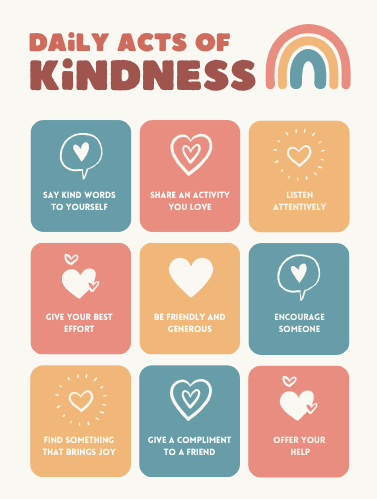
We hope this January Home-Education Learning Toolkit supports a calm return to learning and helps your family build confidence, routine and momentum for the months ahead. Whether you follow the dates closely or simply choose the activities that suit your child best, each task is designed to be flexible, meaningful and easy to deliver at home. Wishing you a steady, positive start to the new year and as always, TuitionSpace is here if you would like further guidance, tailored support or additional resources.