

Choosing the Right SEAG Test Papers: What Parents Need to Know
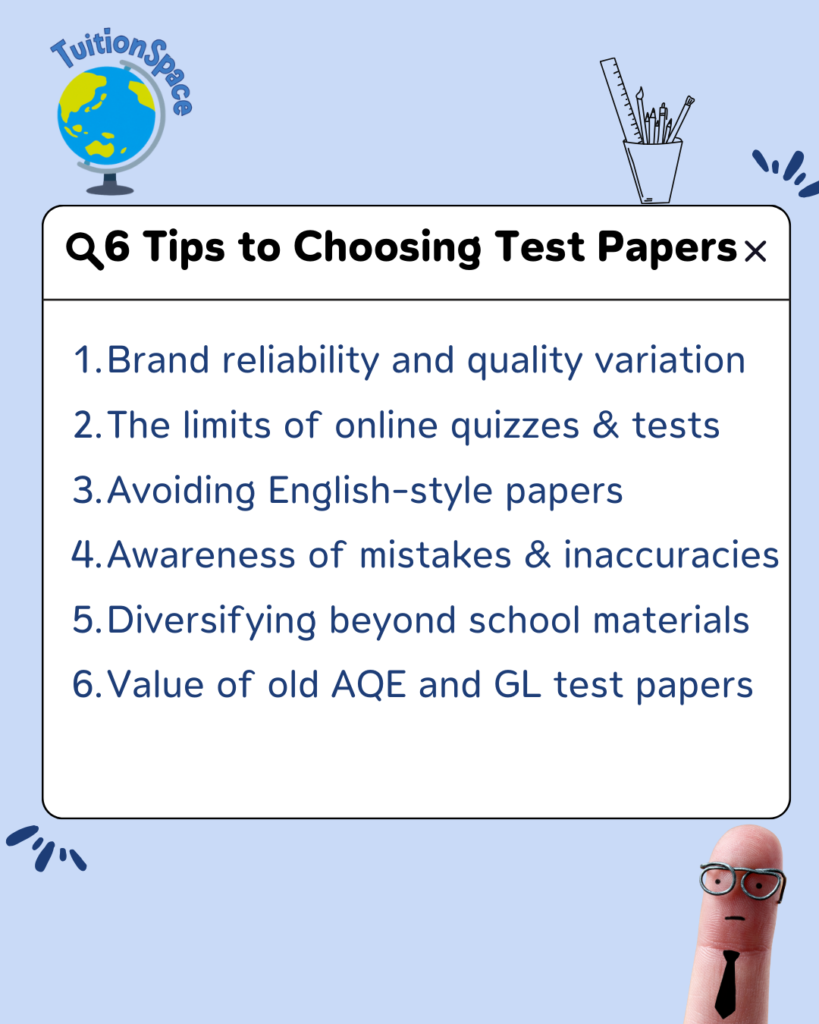
Preparing for the SEAG (Selective Entrance Assessment Group) test is a significant undertaking for both pupils and parents in Northern Ireland. While schools provide guidance, families often invest in additional practice papers to give their child confidence and familiarity with the format. However not all test papers are of equal quality and parents should be aware of the potential pitfalls when purchasing resources. By this stage in the preparation process some families may also find that they are running out of purchased papers and are unsure of which resources are worth investing in next. This guide therefore sets out clear criteria to help parents make informed choices about test materials and avoid common mistakes. Drawing on educational research and practical considerations this discussion evaluates six key factors that should guide the selection of SEAG practice materials.
1. Brand reliability and quality variation
One of the first aspects to consider when purchasing SEAG test papers is the brand. These materials are produced by private educational publishers whose resources vary widely in accuracy and pedagogical standard. Privately produced assessments are not subject to the same level of moderation as state-approved examinations which means that question quality and alignment with the current specification can be inconsistent. Parents may assume that all commercially available papers are equally valid, yet this is not always the case. Selecting a reputable publisher, preferably one with demonstrable experience in Northern Ireland’s educational context, is therefore crucial. Choosing indiscriminately could result in children practising with inaccurate or outdated material which may harm confidence rather than enhance it.
2. The limits of online quizzes and tests
The growth of digital platforms has made online quizzes and automated tests widely accessible. These can provide useful supplementary practice particularly for reinforcing basic numeracy and literacy skills. However it is important to recognise their limitations. While online platforms can instantly mark answers they rarely provide detailed explanations tailored to the individual learner. As educational psychologists note, effective learning is best achieved when a knowledgeable teacher or tutor can explain reasoning and address misconceptions directly (Gibson, 2023). For this reason while online resources may be a helpful supplement they should not be considered a substitute for either teacher-led guidance or high-quality printed practice papers that include comprehensive explanations.
3. Avoiding English-style papers
A common mistake made by parents is purchasing English-style test papers rather than those aligned with the Northern Irish curriculum. Although English resources are abundant and often attractively marketed they reflect linguistic and curricular differences that can confuse learners. For example certain vocabulary, spelling conventions and grammatical structures differ between England and Northern Ireland which can affect a pupil’s performance. Parents must therefore ensure that the papers they choose are explicitly designed for Northern Ireland’s SEAG rather than generic eleven-plus or English practice tests.
4. Awareness of mistakes and inaccuracies
Even within Northern Ireland-specific materials, errors and inconsistencies may occur. Commercial exam publishers sometimes overlook proofreading errors or include questions that fall outside the official specification. These mistakes can undermine a child’s confidence if they struggle with material that would not in fact appear on the test. Parents should therefore approach practice papers with a critical eye, cross-referencing content with official guidance where possible and being prepared to explain or adapt questions if inaccuracies are found. Discussing errors openly with children can also foster resilience and critical thinking rather than discouragement.
5. Diversifying beyond school materials
While schools often provide sample papers or practice exercises it is advisable to use a broader range of resources. Over-reliance on one set of materials may give children an incomplete picture of the variety of question styles they could encounter. Exposure to different publishers’ papers can better equip pupils to adapt to unfamiliar phrasing and question structures. However variety must still be balanced with quality; parents should not simply accumulate large quantities of papers but rather select a carefully chosen range that complements and extends what the school provides.
6. Value of old AQE and GL test papers
Finally, parents should not overlook the usefulness of archived AQE and GL papers. Although these assessments have now been replaced by the SEAG, many elements remain relevant. Past papers provide an authentic sense of exam conditions and expose pupils to a wide range of question types. Certain specifications have changed — for instance alphabetical ordering tasks have been removed from SEAG — but the majority of skills tested, such as comprehension and problem solving, remain highly transferable. Importantly these older papers also offer valuable practice with extended response questions, including the twelve free-style answers now included in SEAG.
Conclusion
Selecting the right SEAG test papers is a strategic process that demands careful evaluation. Parents must pay attention to the brand reputation, recognise the limits of online resources, avoid inappropriate English-style materials, remain vigilant about mistakes, ensure diversity of resources, and integrate older AQE and GL papers into preparation. By considering these factors parents can provide their children with a more robust and balanced preparation for the SEAG assessment. Ultimately thoughtful selection of practice materials not only builds subject knowledge but also develops exam confidence, resilience and adaptability — all of which are essential for success.